
The Disenfranchisement of Paniyas in Kerala
By studying the literature around the Paniya tribe, I cover topics such as population, caste names and structures in Wayanad, periods of Paniya history, …
Place-based research from Bidar, Wayanad, rural Bihar, and Bangalore, accountable to the people it concerns.
Research that starts in a specific place and stays close to the ground.
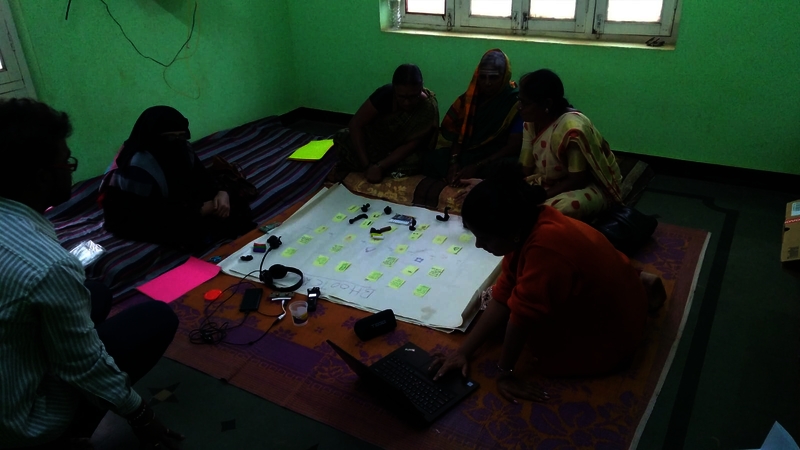
In Bidar, the mesh network was inseparable from the communities hosting it. The women whose oral practices it was meant to serve were collaborators, not “users.” In Wayanad, a literature review on the disenfranchisement of the Paniya, centuries of enslavement, landlessness, and exclusion from education, became the ground for a storytelling tool that asked Adivasi children to imagine futures for themselves, using elephants from their own Vattakalli dance tradition.
In rural Bihar, participatory mapping in Kishanganj showed how caste shapes school placement, village infrastructure, and what parents let themselves hope for their children. In Koramangala, the method was just attentiveness: the buffaloes that pass at dawn, the sanitation workers, the garbage trucks, the rhythms of a neighbourhood most people only see as a tech hub.
Mapping the migratory routes of pastoralists across India combined GIS with the shepherds’ own knowledge, making visible land-use patterns that policy is disrupting. The climate resource centre in Bidar collected the seasonal knowledge, care practices, and mythic narratives farming communities use to read ecological change.
Care-full Collectives is the longer, academic version of the same commitment: care as what holds these networks together.
By studying the literature around the Paniya tribe, I cover topics such as population, caste names and structures in Wayanad, periods of Paniya history, …
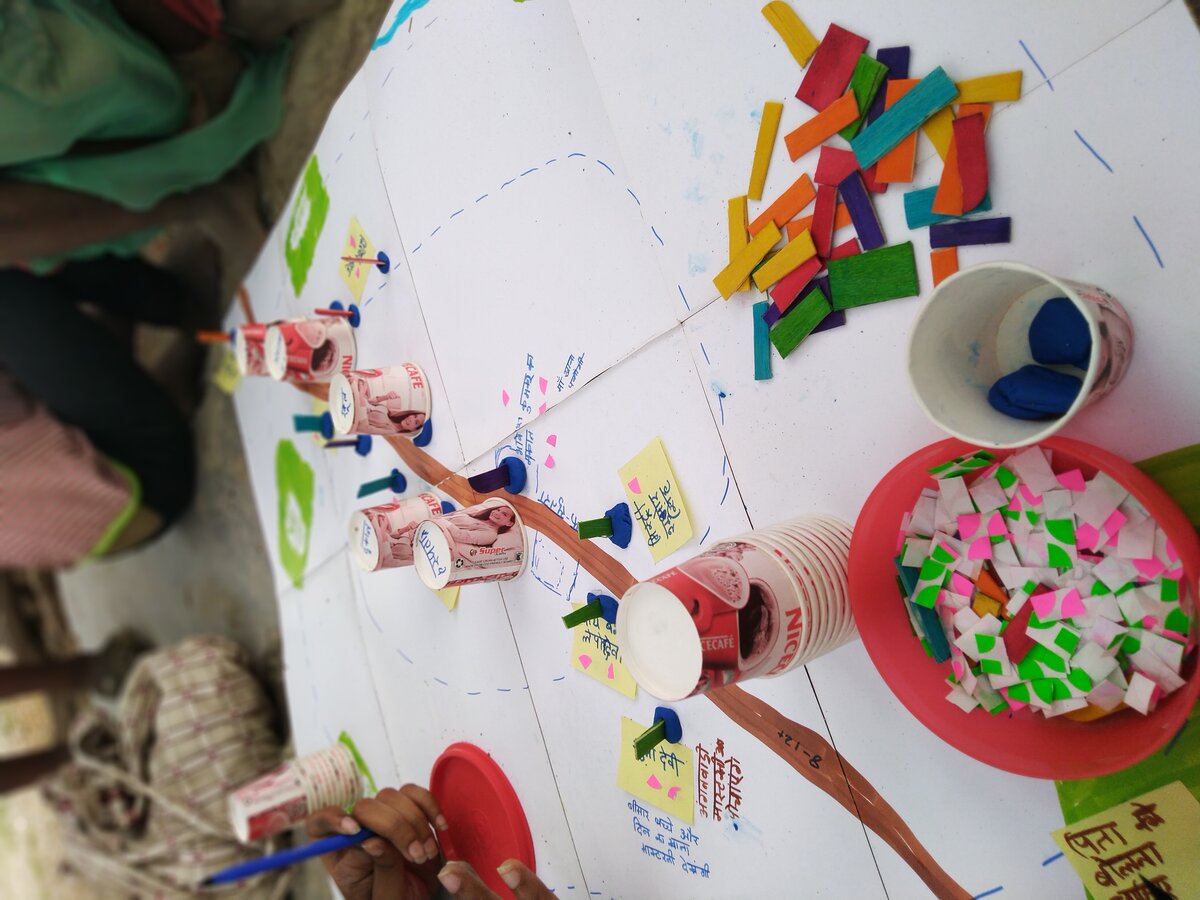
A participatory research project with Project Potential Trust in Bhutijhari, rural Bihar, on how caste shapes education and village life
My 2020 Srishti capstone on care practices in collectives, drawing on work with Team YUVAA, Design Beku, Deccan Living Labs and ICAN, and theories of care from …

A poem about my street in Koramangala, Bangalore: the night quiet, buffaloes passing at dawn, pourakarmikas, and Chalapathi who I pay by Google Pay
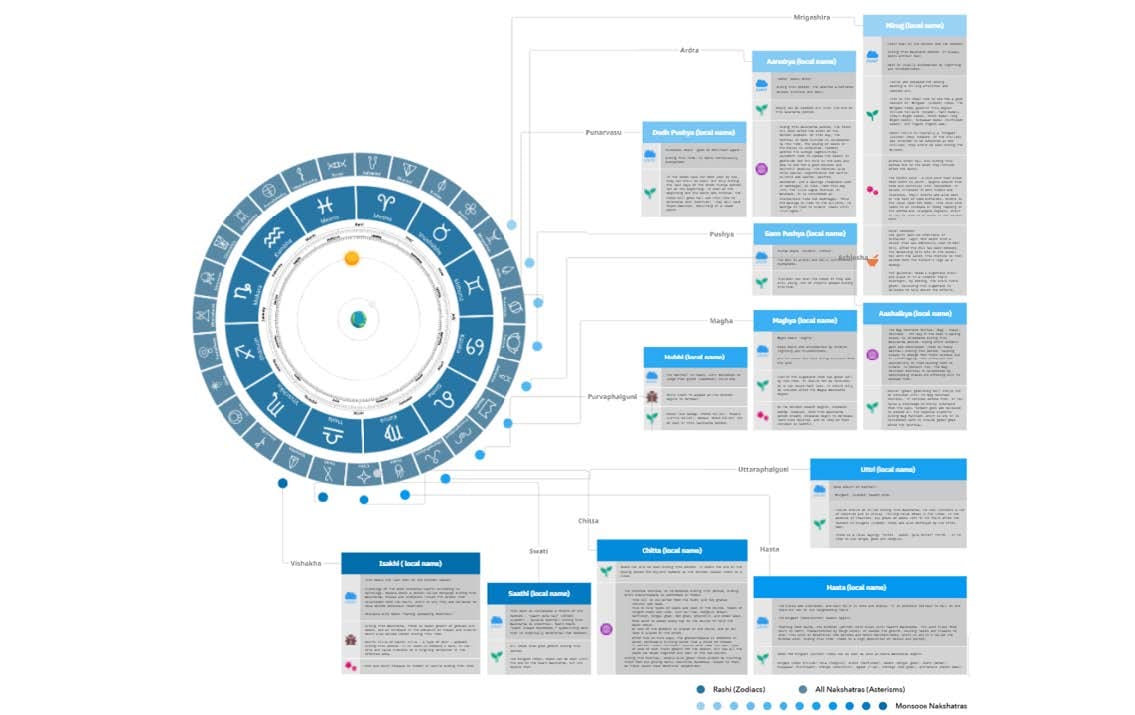
Design research in Bidar with Team YUVAA and Deccan Living Labs, documenting farmers' mythic narratives, seasonal heuristics, and care practices as agrarian …

Janastu project mapping seasonal migratory routes of pastoralist communities across India, combining GIS with participatory research and pastoralists' own …

A 5-week course in Wayanad, Kerala after the 2018 floods: a stitched-tapestry storytelling tool made with Paniya children, drawing metaphors from Causal Layered …

This piece is a group reflection of a project run in Bidar, India, to set up a community mesh network facilitated by Living Labs Network and Forum, Team YUVAA …